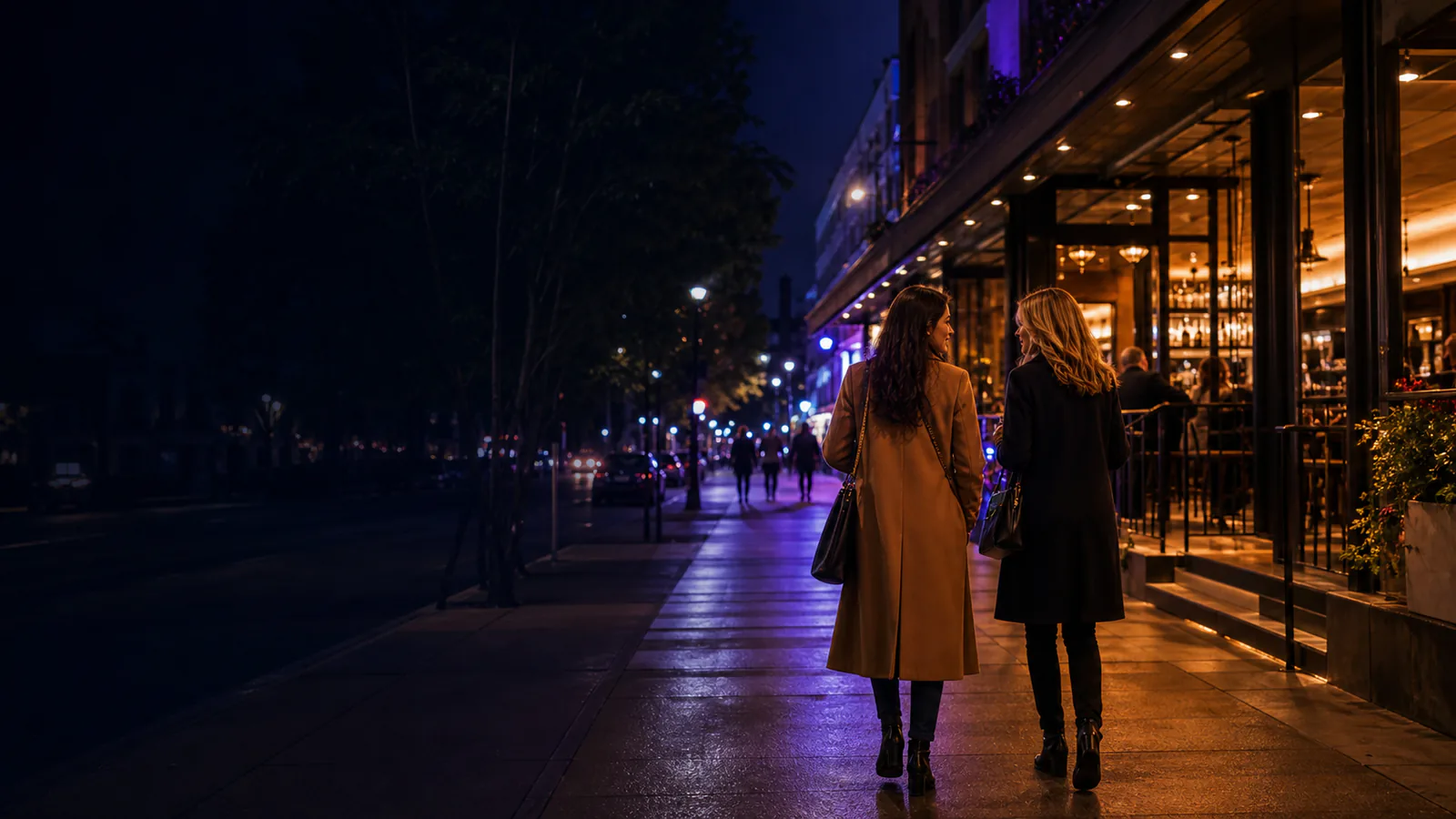
A good first date is not an audition for a relationship. It is a chance to see whether talking in person feels safe, warm, and natural. Choose a public place you already know, such as a coffee shop, bookstore, market, museum, or daytime walk in a busy area. A clear plan with a natural end time can make both people feel less pressure to perform.
Keep your own transportation plan and tell a friend where you will be. These details are practical, not pessimistic. They give you more freedom to focus on the person in front of you. If you decide to extend the date, it can happen because both of you want to, rather than because either person feels trapped by logistics or expectations.
Comfort also includes emotional boundaries. You can say no to a location, a drink, a personal question, or a second stop. A considerate date will respect that answer easily. If someone repeatedly pushes against a small boundary, notice it. Your sense of ease is useful information.
Share the practical plan with a trusted person: the venue, the approximate start and end time, and how you expect to get home. Arrange a simple check-in that will not require you to explain private details. If plans change, send the new public location. This is not about asking a friend to judge the person; it gives someone reliable information if you need assistance or become difficult to reach.
Protect information that would make it easy to locate you. A first meeting rarely requires your home address, workplace schedule, financial details, identity documents, or access codes. If you use a ride service, consider choosing a nearby public pickup point rather than revealing a private entrance. Keep your phone charged, but do not let a safety checklist pressure you into staying when your instincts or the person’s behavior tell you to leave.
Alcohol and other substances can affect judgment, coordination, and consent. Decide your own limit before the date and keep control of anything you drink. A respectful person will not repeatedly order for you, interfere with your transportation, or frame intoxication as proof of trust. Consent is specific and ongoing; agreeing to a date, accepting a meal, or going to another location does not create an obligation to physical intimacy.
Plan a few exit sentences in advance so you do not have to invent them under pressure: “I am heading home now,” “I am not comfortable with that,” or “This plan no longer works for me.” You may leave without persuading the other person that your reason is sufficient. If you feel in immediate danger, move toward staff or other people, contact someone you trust, and use the emergency service appropriate to your location.
Afterward, separate charm from behavior. Did the person respect the location, time, and limits you agreed on? Did they accept small differences without punishment or persuasion? One pleasant meeting cannot verify identity or guarantee future safety, but consistent respect across ordinary moments is useful evidence. Continue at a pace that lets you observe patterns while keeping your routines, friendships, and independent choices intact.
Check the practical details before leaving: the venue is open, the address is correct, and your route home does not depend on the other person. Carry the payment method, identification, medication, and charger you normally need, but avoid bringing valuable documents or more personal information than the plan requires. A few minutes of preparation can remove the background worry that makes it harder to pay attention to the actual date.
A public place is helpful because it provides options, not because every public meeting is automatically safe. Notice whether staff and other visitors are nearby, whether you can reach the exit easily, and whether your phone works in the space. If the person changes the location unexpectedly, you can decline or suggest another time. A last-minute change does not create an obligation to follow them somewhere less comfortable.
After the meeting, update the person who knew your plan and make a short note about anything you want to remember. If you felt pressured, save relevant messages before blocking or reporting. If the date was pleasant, you still get to choose the pace of the next step. Safety planning is not a prediction that something will go wrong; it protects your ability to respond freely to whatever you learn.
Consider accessibility and comfort as part of the plan, not a special request added later. Check seating, noise, lighting, stairs, restrooms, food options, and the distance from transportation when any of those details matter. Ask without demanding medical information: “Is there anything that would make the venue easier for you?” Thoughtful planning gives both people more energy for the conversation and makes it easier to change the plan without embarrassment.
Before accepting a second location or ride, pause and make the decision as if no one were waiting for an immediate answer. You can stay with the original plan, arrange your own transport, or end the evening. Courtesy does not require convenience at the expense of control. A date who responds well to a practical boundary offers more useful evidence than someone who creates pressure and then explains that they were only being spontaneous.
Takeaway: A first date should make it easy to stay, leave, slow down, or ask for help without depending on the other person’s permission.
Sources and further reading
- What to know about romance scamsU.S. Federal Trade Commission
- Preventing intimate partner violenceU.S. Centers for Disease Control and Prevention
Community conversation
What has your experience taught you?