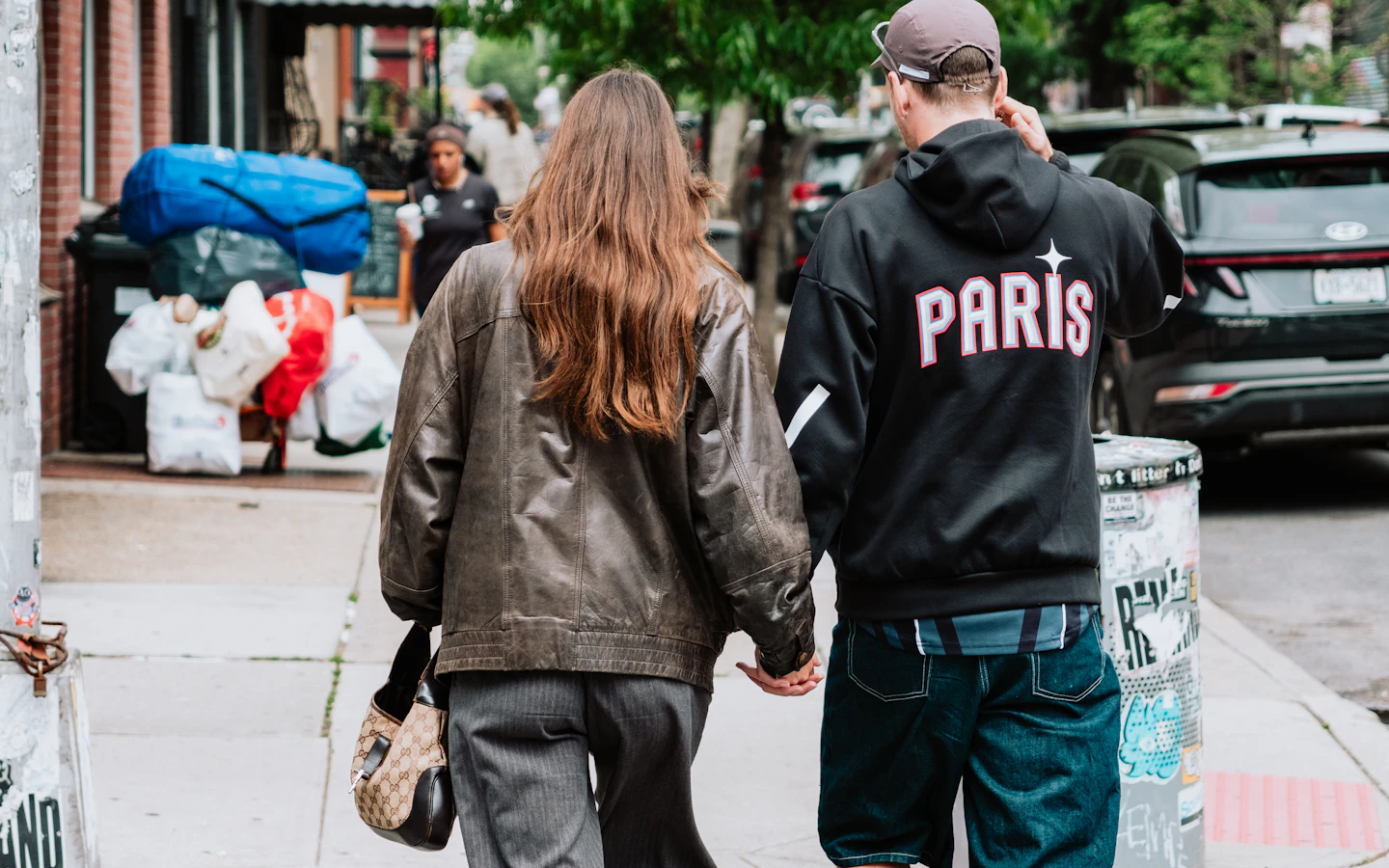
Getting dressed for a date can become a small negotiation between how you feel and how you hope to be seen. Start with the plan instead of an imagined standard. A walk calls for shoes you can walk in, and a casual dinner does not require a completely new wardrobe. Choose something familiar enough that you will not spend the evening adjusting it. Your clothes can express interest without becoming a costume.
Check practical details before leaving: the weather, the journey home, and whether the venue is warm or cold. A useful extra layer can do more for your confidence than an expensive accessory. If you enjoy experimenting with style, choose one detail that feels playful, such as a color or a piece of jewelry. There is no need to change every part of your appearance at once.
When you arrive, let the outfit stop being the main event. Ask a question, notice your surroundings, and give the conversation time. You are meeting another person, not submitting a photograph for approval. The most useful preparation helps you feel comfortable enough to listen, laugh, express a preference, and decide whether you would like to meet again.
Start with information you can verify: the venue, expected weather, amount of walking, seating, and how you will travel home. A beautiful outfit that makes you cold, limits movement, or needs constant adjustment can consume attention you wanted to give the conversation. If the plan is uncertain, ask about the level of formality or bring one adaptable layer rather than buying an entirely new look.
Comfort is personal and can include sensory needs, mobility, gender expression, cultural expectations, or body changes. Choose fabrics, shoes, and grooming that let you sit, eat, walk, and breathe without pain. You are not obligated to tolerate discomfort because a style guide labels it flattering. If a venue has a real dress code, meeting that requirement still leaves room to choose something that feels recognizably yours.
Aim for care rather than transformation. Clean, well-maintained clothes and attention to the details you value can communicate that the meeting matters. That does not require expensive labels, a new body, or an unfamiliar level of makeup or formality. One intentional element—a favorite color, jewelry, jacket, or pair of shoes—can help an outfit feel special without turning it into a costume.
Prepare a small practical backup when it reduces worry: a stain wipe, hair tie, medication you normally carry, accessible shoes, or directions that do not depend on a weak signal. Keep the preparation proportionate. Repeated mirror checks and last-minute changes can intensify nerves, so choose a stopping point and redirect attention toward the plan and the person you are about to meet.
Notice how your date responds to your presentation. A sincere compliment can feel warm; persistent criticism, pressure to change, sexual comments after you show discomfort, or comparisons with other people deserve attention. Clothing never creates consent and does not determine how respectfully someone should treat you. The most useful outfit supports your ability to participate, make choices, and leave with a clear sense of the interaction.
Try the complete outfit in the conditions that matter. Sit down, walk, reach for a bag, and wear the shoes long enough to notice pressure points. Check how a coat or layer works with the rest of the look and whether you have secure places for a phone, keys, and payment card. These tests are more useful than judging the outfit from one still angle in a mirror.
Use the venue as guidance, not as a demand to become someone else. A gallery opening may call for a polished layer, while a market or park needs shoes that handle movement and weather. When you are unsure, a simple base with one intentional detail usually travels well across settings. The best signal is care: clothes are clean, comfortable, and appropriate enough that they do not dominate the evening.
Once you leave home, stop auditing the look. Adjust a real problem, but resist checking every reflection or interpreting your date’s first expression as a review. Attraction includes voice, attention, humor, movement, and the way two people feel together. An outfit can support confidence, but it cannot control chemistry—and it does not need to.
Build one or two dependable combinations over time instead of solving the question from scratch before every meeting. Photograph the outfit when it feels right, note which shoes survived a long walk, and keep a layer that works across several venues. Repetition is not a failure of style. Familiar clothes often make it easier to arrive as yourself, and small changes can still reflect the season, setting, or mood.
If photographs are part of the plan, agree before posting or tagging. An outfit you enjoy wearing does not automatically become content for someone else's account, and a location tag can reveal where you are in real time. Ask before taking close photographs and respect a request to keep the date offline. Style can be expressive without giving up control over when, where, and how your image is shared.
Takeaway: Choose clothes that fit the place, weather, movement, and version of yourself you want to bring—not an imagined test of attractiveness.
Community conversation
What has your experience taught you?